
Introduction
As energy costs continue to rise and sustainability becomes a priority for homeowners and businesses alike, smart energy management solutions are gaining attention. One name that often appears in discussions about intelligent energy systems is Wattios.
Whether you have recently heard about Wattios or are researching smart energy technologies, understanding how these solutions work can help you make informed decisions about energy efficiency and automation.
This guide explains Wattios in simple terms, explores its potential benefits, highlights common misconceptions, and provides practical insights for anyone interested in smarter energy usage.
What Is Wattios?
Wattios is associated with the concept of smart energy management and connected home technology. It focuses on helping users monitor, manage, and optimize energy consumption through intelligent systems and automation.
The primary goal of solutions like Wattios is simple: use energy more efficiently without sacrificing comfort or convenience.
Instead of relying on manual monitoring, smart systems collect data, analyze usage patterns, and help users make better energy decisions.
Why Smart Energy Management Matters
Energy efficiency is no longer just about saving money. It also contributes to environmental sustainability and resource conservation.
Many households waste electricity without realizing it. Common examples include:
- Leaving devices plugged in unnecessarily
- Running appliances during peak-rate hours
- Inefficient heating and cooling systems
- Poor energy monitoring
Smart energy platforms aim to address these issues by providing better visibility and control.
Key Features of Wattios
Although specific implementations may vary, smart energy platforms commonly offer several useful features.
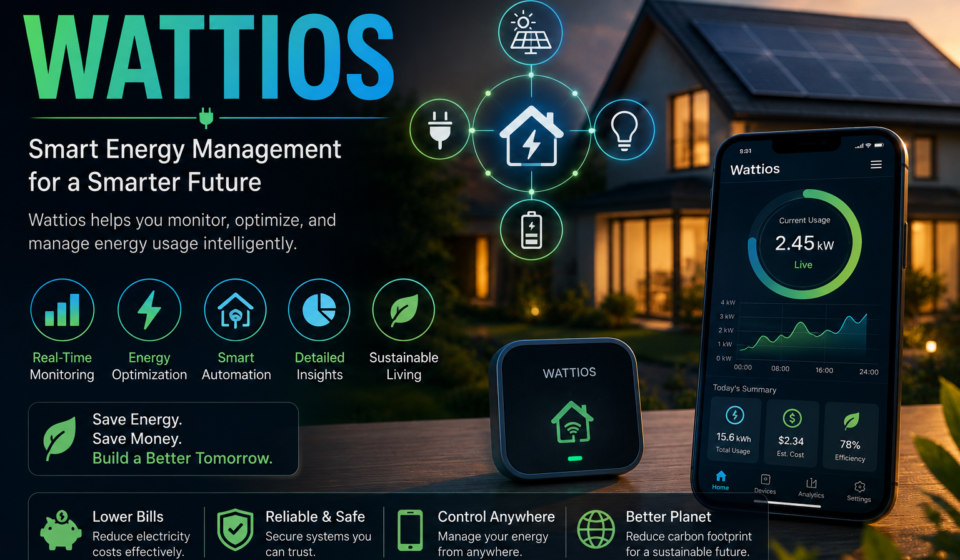
Real-Time Energy Monitoring
Users can track energy consumption as it happens.
This helps identify which devices or appliances consume the most power.
Smart Automation
Automation allows systems to respond automatically based on predefined settings.
For example:
- Turning off unused devices
- Adjusting temperatures automatically
- Optimizing energy usage during lower-cost periods
Data Insights and Reporting
Energy reports help users understand consumption trends over time.
These insights can reveal opportunities for cost savings.
Remote Access
Many smart systems allow users to monitor and control devices through mobile apps or web dashboards.
This provides convenience and flexibility, especially when away from home.
How Wattios Can Help Homeowners
For homeowners, managing electricity bills is often a major concern.
A smart energy solution can help by:
- Identifying energy waste
- Reducing unnecessary consumption
- Improving appliance efficiency
- Supporting sustainable living goals
Example
Imagine a family that frequently leaves lights and appliances running while away from home.
A smart system can automatically detect inactivity and reduce unnecessary power usage.
Over time, these small adjustments can contribute to noticeable savings.
How Businesses Can Benefit
Businesses often have larger energy demands than residential properties.
Energy management systems can help organizations:
- Lower operational costs
- Monitor multiple locations
- Improve sustainability initiatives
- Generate energy usage reports
- Meet environmental compliance goals
For businesses focused on efficiency, even small percentage reductions in energy consumption can lead to substantial annual savings.
Benefits of Using Smart Energy Solutions
Cost Savings
Better visibility often leads to better energy decisions.
Reducing waste can lower utility bills.
Environmental Impact
Using less energy helps reduce carbon emissions and supports sustainability efforts.
Increased Convenience
Automation reduces the need for manual adjustments and monitoring.
Better Decision-Making
Detailed usage data helps users understand where improvements can be made.
Future Readiness
Smart energy technologies prepare homes and businesses for increasingly connected environments.
Pros and Cons
Pros
- Improved energy efficiency
- Potential reduction in utility costs
- Real-time monitoring
- Convenient automation
- Better sustainability practices
- Increased awareness of consumption habits
Cons
- Initial setup costs
- Learning curve for some users
- Dependence on internet connectivity
- Potential compatibility limitations with older devices
Common Mistakes and Solutions
Mistake 1: Focusing Only on Technology
Many users install smart systems but fail to change inefficient habits.
Solution: Combine technology with conscious energy-saving practices.
Mistake 2: Ignoring Energy Reports
Data is only useful if it is reviewed regularly.
Solution: Check reports periodically and adjust usage patterns accordingly.
Mistake 3: Over-Automating Everything
Excessive automation may create unnecessary complexity.
Solution: Start with essential automations and expand gradually.
Mistake 4: Not Updating Systems
Outdated software may reduce performance and security.
Solution: Keep applications and connected devices updated.
Best Practices for Maximizing Results
To get the most value from a smart energy management system:
Monitor Regularly
Review energy data weekly or monthly.
Set Realistic Goals
Focus on gradual improvements rather than dramatic changes.
Automate Strategically
Automate high-impact areas such as lighting, heating, and cooling.
Educate Household Members
Everyone should understand how energy-saving measures work.
Track Progress
Compare usage over time to measure improvements.
Is Wattios Relevant for the Future?
The future of energy management is becoming increasingly digital.
Growing interest in:
- Smart homes
- Renewable energy
- Energy-efficient buildings
- Internet of Things (IoT) devices
means that solutions focused on intelligent energy management are likely to become even more important.
As technology advances, users will gain greater control, better insights, and more opportunities to reduce both costs and environmental impact.
FAQs
1. What is Wattios?
Wattios is associated with smart energy management solutions that help users monitor and optimize energy consumption.
2. How does Wattios improve energy efficiency?
It provides monitoring, automation, and data insights that help reduce unnecessary energy use.
3. Can Wattios help lower electricity bills?
Smart energy management can identify waste and improve efficiency, which may contribute to lower energy costs.
4. Is Wattios suitable for businesses?
Yes. Businesses can use smart energy solutions to monitor usage, improve efficiency, and reduce operational expenses.
5. Why is smart energy management important?
It helps save money, reduce environmental impact, and improve overall control over energy consumption.
Conclusion
Wattios represents the growing movement toward smarter and more efficient energy management. By helping users monitor consumption, automate processes, and make informed decisions, smart energy solutions can improve both financial and environmental outcomes.
Whether you are a homeowner looking to reduce utility bills or a business aiming to optimize operations, understanding modern energy management technologies is an important step toward a more efficient future.
The key is not simply adopting new technology but using it thoughtfully to create long-term value and sustainability.